
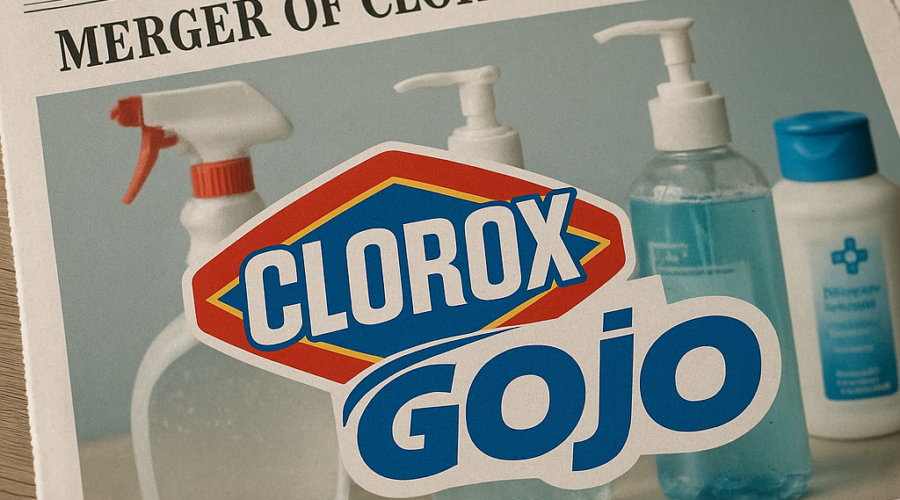
The Clorox Company has agreed to acquire GOJO Industries, the Ohio-based manufacturer of Purell hand sanitizer and skin health products, in an all-cash transaction valued at $2.25 billion.[1] The deal represents a significant strategic expansion for Clorox into the premium hygiene segment and underscores the enduring market demand for specialized sanitization and skin care products in the post-pandemic era.
Most “AI for Diligence” tools are lying to you. The truth is, they are just chatGPT wrappers. Experience what real AI for Diligence looks like, built like Claude Code, but for M&A/ PE Diligence:
💼 When Claude Code Marries Due Diligence!
Deal Structure and Financial Terms
Under the definitive agreement, Clorox will pay $2.25 billion in cash for GOJO Industries.[1] The purchase price includes anticipated tax benefits valued at approximately $330 million, resulting in a net purchase price of $1.92 billion.[1] This tax-efficient structure reflects standard M&A practice in large consumer goods acquisitions, where acquirers leverage deferred tax assets and depreciation benefits to optimize deal economics.
Strategic Rationale and Market Positioning
The acquisition positions Clorox to strengthen its footprint in the health and hygiene category, a segment that has demonstrated resilience and sustained consumer spending even as pandemic-driven demand normalized. GOJO’s portfolio extends beyond Purell to encompass a broader range of skin health and hygiene products, providing Clorox with complementary brands and distribution channels.
For Clorox, the deal addresses several strategic objectives: expanding premium product offerings, accessing GOJO’s established retail and institutional customer relationships, and capturing cross-selling opportunities across Clorox’s existing portfolio of cleaning and disinfection products. The acquisition also provides scale in a category where brand equity and consumer trust remain critical competitive advantages.
Industry Context and Comparable Transactions
The Clorox-GOJO transaction reflects broader consolidation trends in the consumer staples and health care sectors, where large incumbents pursue acquisitions to diversify revenue streams and defend market share against private label and direct-to-consumer competitors. Recent large-scale M&A activity in adjacent categories—including Smithfield Foods’ $450 million acquisition of Nathan’s Famous and Capital One’s $5.15 billion acquisition of Brex—demonstrates sustained appetite among established corporations for strategic acquisitions that enhance brand portfolios or unlock new customer segments.[1][2]
Implications for Stakeholders
For Clorox investors, the deal signals management confidence in the durability of hygiene-focused consumer spending and the company’s ability to integrate and optimize acquired brands. For GOJO stakeholders, the transaction provides liquidity and access to Clorox’s distribution infrastructure, manufacturing capabilities, and marketing resources. The deal is expected to close subject to customary closing conditions and regulatory approvals.
“`
Sources
https://pulse2.com/innovation/, https://pulse2.com/mergers-acquisitions/, https://www.ulta.com/shop/hair/treatment/masks?concern=dandruff