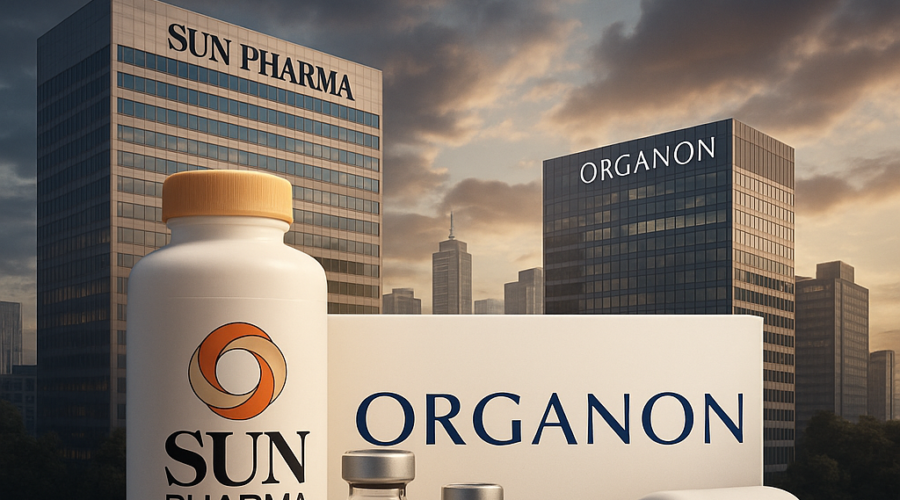
Mumbai-based Sun Pharmaceutical Industries Ltd. is finalizing a binding $12 billion offer for Organon & Co., marking the largest overseas acquisition in Indian pharma history. The deal is a strategic pivot for Sun Pharma, moving it from a generics-focused company to a global leader in specialty medicines, particularly in women's health and biosimilars. This transaction underscores a broader M&A trend where Indian 'National Champions' are becoming global consolidators by acquiring R&D-heavy Western assets to move up the value chain.
- Acquirer
- Sun Pharmaceutical Industries Ltd.
- Target
- Organon & Co. (NYSE: OGN)
- Transaction Type
- Overseas Acquisition
- Proposed Deal Value
- $12 Billion
- Strategic Driver
- Pivot from a generic-centric model to a global leader in specialty and innovative medicines, including women's health and biosimilars.
- Target Revenue (Est.)
- ~$6.2 Billion
- Target Net Debt
- ($8.0 Billion)
- Acquirer Net Cash
- $3.2 Billion
- Financing Mandates
- JPMorgan, MUFG, and Citi
- Key Risks
- US antitrust scrutiny, integration of a 10,000-person workforce, and addressing Organon's disclosed 'material weaknesses' in internal controls.
In what is poised to become the largest overseas acquisition in the history of the Indian pharmaceutical industry, Mumbai-based Sun Pharmaceutical Industries Ltd. is reportedly finalizing a binding $12 billion offer for Organon & Co. (NYSE: OGN). The deal, which follows three months of rigorous due diligence, marks a transformative pivot for Sun Pharma from a generic-centric powerhouse to a global leader in specialty and innovative medicines.
Most “AI for Diligence” tools are lying to you. The truth is, they are just ChatGPT wrappers. Experience what real AI for Diligence looks like, built like Claude Code, but for M&A/ PE Diligence:
💼 When Claude Code Marries Due Diligence!
For Sun Pharma’s billionaire founder Dilip Shanghvi, the acquisition of the New Jersey-headquartered Merck spinoff represents a calculated bet on long-term specialty drug strategy. By absorbing Organon’s extensive portfolio in women’s health, biosimilars, and established brands, Sun Pharma aims to cement its presence in high-margin regulated markets while de-risking its reliance on the increasingly commoditized US generic landscape.
Strategic Rationale: Beyond the Generics Stronghold
The acquisition is not merely about scale; it is about therapeutic synergy. Organon brings a dominant position in the women’s health sector valuation, led by its flagship contraceptive brand Nexplanon and a robust fertility franchise. This aligns with Sun Pharma’s existing focus on specialty therapeutic areas like dermatology (Ilumya) and ophthalmology (Cequa).
- Therapeutic Breadth: Organon’s portfolio covers contraception, fertility, and a diverse “Established Brands” segment (respiratory, cardiovascular, and bone health) that generates consistent cash flow.
- Biosimilar Acceleration: The deal would provide Sun Pharma with an immediate, mature biosimilars platform—a sector where the company has previously been a late entrant.
- Geographic Complementarity: While Sun is strong in India and the US, Organon derives roughly 74% of its $6.2 billion revenue from outside the United States, offering Sun an instant “plug-and-play” infrastructure in Europe and Latin America.
Deal at a Glance: Financial Metrics (2025-2026 Estimates)
| Metric | Sun Pharma (Estimated) | Organon (Estimated) |
|---|---|---|
| Annual Revenue | ~$6.2 Billion (₹52,000 Cr) | ~$6.2 Billion |
| EBITDA Margin | ~28% – 31% | ~30.7% (Adjusted) |
| Net Cash / (Debt) | $3.2 Billion (Net Cash) | ($8.0 Billion Net Debt) |
| Proposed Deal Value | $12 Billion | |
Financing and Financial Framing
Market analysts note that while Sun Pharma boasts a clean balance sheet with a debt-to-equity ratio of approximately 0.03 as of March 2025, a $12 billion acquisition will require significant leverage. Reports indicate that global banking giants, including JPMorgan, MUFG, and Citi, have been mandated to structure a financing package that likely combines bridge loans, long-term debt, and Sun’s internal cash reserves.
Organon’s $8 billion debt burden—a legacy of its 2021 spinoff from Merck—remains a critical point of negotiation. However, Organon has been aggressive in its private equity exit strategies and asset divestitures, such as the recent $465 million sale of its JADA postpartum hemorrhage system, to streamline its balance sheet ahead of a potential sale.
Industry Implications: The 2026 M&A Landscape
This deal underscores a broader trend in cross-border M&A trends 2025-2026: the rise of Indian “National Champions” as global consolidators. According to research from firms like McKinsey and Goldman Sachs, Indian pharma is moving into its “Innovation 2.0” phase, where organic growth is supplemented by bold, outbound strategic acquisitions of R&D-heavy Western assets.
The competition remains stiff. Sun Pharma is reportedly facing two rival bidders: a global buyout fund and a consortium involving a European strategic player. If successful, Sun Pharma will catapult into the top tier of global pharma, rivaling companies like Teva and Viatris in the specialty-generic hybrid space.
Historical Context: Sun Pharma’s Acquisition Path
- 1997: Caraco Pharma (First US entry)
- 2010: Taro Pharma ($450M control stake – secured dermatology dominance)
- 2014: Ranbaxy ($4B – transformed Sun into India’s No. 1 player)
- 2026 (Pending): Organon ($12B – Global specialty leadership)
Navigating Execution Risks
Despite the strategic logic, Sun Pharma faces hurdles. Regulatory risks, particularly regarding US antitrust scrutiny in specific therapeutic overlaps, could delay closing. Furthermore, Sun must manage the integration of Organon’s 10,000-strong global workforce while addressing Organon’s disclosed “material weaknesses” in internal controls related to wholesaler practices reported in late 2025.
For investors, the immediate reaction has been cautious; Sun Pharma shares in Mumbai fell 3% following the report, reflecting concerns over short-term earnings dilution and the massive debt intake. However, for the long-term institutional investor, the message is clear: the era of the “global Indian pharma major” has arrived.
Sources
 intellectia.ai
 outlookbusiness.com
 tipranks.com
 benzinga.com
 seekingalpha.com
 economictimes.com
 organon.com
 macrotrends.net