
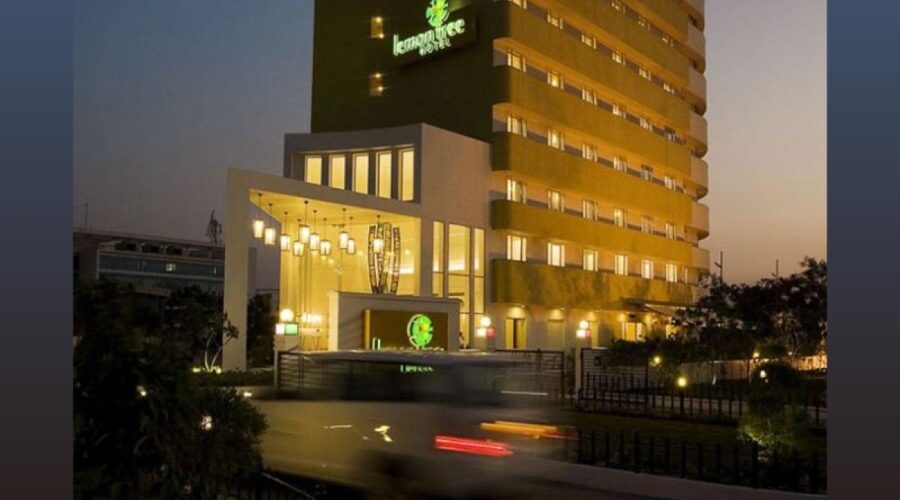
The Competition Commission of India (CCI) has approved private equity firm Warburg Pincus’s acquisition of a stake in Fleur Hotels, part of a corporate restructuring of its parent, Lemon Tree Hotels. This transaction involves a capital infusion to accelerate expansion without relying on debt, a key move in a high-interest rate environment. The deal structure segregates specific assets under the Fleur Hotels brand to attract specialized private equity capital. This transaction serves as a blueprint for global capital entering India’s high-growth mid-market hospitality sector, signaling a shift toward sophisticated, institutionally-aligned investment structures.
- Target
- Fleur Hotels
- Acquirer
- Warburg Pincus
- Parent Company
- Lemon Tree Hotels
- Transaction Type
- Stake acquisition and corporate restructuring
- Regulatory Approval
- Competition Commission of India (CCI)
- Sector
- Hospitality
- Geography
- India
- Strategic Driver
- Capitalize on consolidation and asset-light models in India’s hospitality market.
- Financing Rationale
- Accelerate expansion without relying on debt financing in a high-interest rate environment.
- Implied Exit Strategy
- Potential IPO or secondary buyout within a 5-7 year horizon.
The Competition Commission of India (CCI) has approved the acquisition of a stake in Fleur Hotels by private equity powerhouse Warburg Pincus, alongside a comprehensive corporate restructuring of its parent entity, Lemon Tree Hotels. The regulatory nod provides critical momentum for institutional investors targeting India’s hospitality sector, a market increasingly defined by rapid consolidation and the migration toward asset-light operational models.
Most “AI for Diligence” tools are lying to you. The truth is, they are just ChatGPT wrappers. Experience what real AI for Diligence looks like, built like Claude Code, but for M&A/ PE Diligence:
💼 When Claude Code Marries Due Diligence!
For deal advisors and C-suite executives, this transaction underscores a pivot in how global capital is entering India’s high-growth mid-market segment. By facilitating a strategic stake purchase through a restructuring mechanism, the deal offers a blueprint for navigating India’s complex hospitality regulatory landscape while capitalizing on the ongoing premiumization of business travel.
Deal Mechanics: Unpacking the Restructuring
The restructuring initiative within the Lemon Tree ecosystem is designed to streamline capital allocation and optimize balance sheets. By segregating specific assets under the Fleur Hotels banner, the company positions itself to better attract specialized private equity capital, which often demands a focused, high-growth vehicle rather than a legacy holding company structure.
Key Strategic Implications
- Capital Infusion: The influx of Warburg Pincus capital allows Lemon Tree to accelerate its expansion without relying exclusively on debt financing, a vital consideration in a high-interest rate environment.
- Structural Flexibility: The restructuring allows the entity to isolate operational risks while retaining the brand equity of the parent firm, a common requirement for sophisticated PE sponsors.
- Platform Scalability: The move signals an intent to scale Fleur Hotels as a dedicated platform, likely aimed at eventual monetization via an IPO or secondary buyout within a 5-7 year horizon.
India Hospitality M&A: The Strategic Landscape
The Indian hospitality sector has shifted from a fragmented owner-operator model to a disciplined, managed-asset ecosystem. This transition has caught the attention of global private equity firms seeking exposure to rising domestic discretionary spending and an increase in MICE (Meetings, Incentives, Conferences, and Exhibitions) tourism.
| Market Driver | Strategic Impact for PE |
|---|---|
| Organized Sector Growth | Shift from unorganized to branded players reduces operational fragmentation risks. |
| Asset-Light Models | Greater focus on management contracts drives higher margins and ROE (Return on Equity). |
| Premiumization | Mid-scale and upscale segments offer stronger RevPAR (Revenue Per Available Room) growth. |
Investor Outlook: Navigating the Exit
As private equity investment in hospitality becomes more prevalent, the challenge for deal teams is not just entry valuation but creating a clear exit pathway. In the Indian market, this typically involves taking a platform public or finding a larger global operator seeking to acquire a ready-made portfolio.
The Lemon Tree restructuring, bolstered by Warburg Pincus, mirrors successful cross-border hospitality investment strategies seen elsewhere in emerging markets. By professionalizing the governance and capital structure early, the sponsors are effectively de-risking the asset for future public markets or strategic consolidation.
For observers of India hospitality M&A, this CCI approval is more than a administrative green light; it is a signal that the sophisticated layering of equity and debt—common in mature markets—has become the standard operating procedure for the largest hotel chains in the subcontinent.
Regulatory and Execution Risks
Despite the optimism, dealmakers must remain cautious of the volatility inherent in the tourism cycle. Future success for this partnership will depend on:
- Execution Speed: Scaling the Fleur Hotels platform to meet occupancy targets in a competitive urban landscape.
- Regulatory Compliance: Navigating potential future changes in land-use regulations and licensing for hotel assets.
- Macroeconomic Sensitivity: Managing the impact of domestic interest rates on real estate financing costs.
As of Q2 2026, the deal signals that the dry powder allocated to Indian consumer-facing sectors remains robust, with a particular appetite for assets that demonstrate both historical resilience and clear structural alignment with institutional standards.