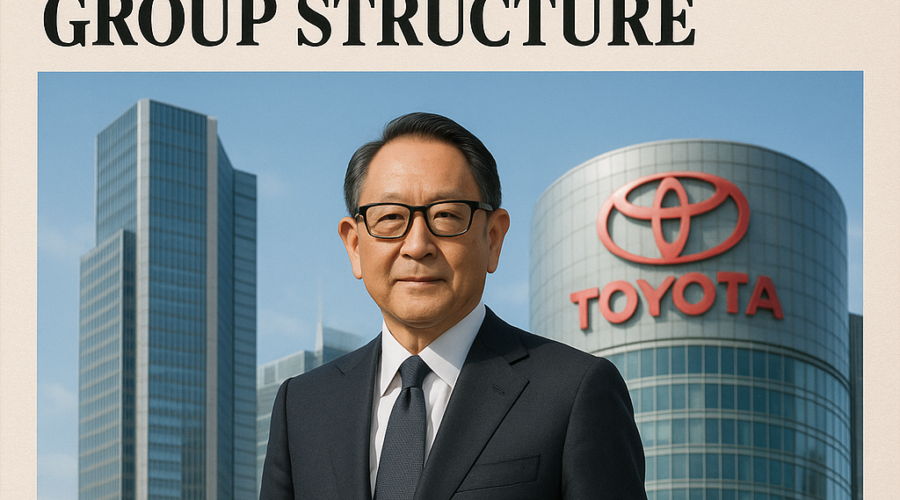
The Toyota Group, under Chairman Akio Toyoda, completed the ¥6.7 trillion ($43 billion) privatization of Toyota Industries Corp. (TICO), marking Japan’s largest-ever buyout. This strategic move, which involved raising the tender offer price twice to ¥20,600 per share after pressure from activist Elliott Investment Management, transfers TICO’s control to the Toyoda family’s private investment vehicle, Toyota Fudosan. The deal aims to streamline the group’s complex cross-shareholding structure and reposition TICO for next-gen mobility. This transaction signals a powerful trend of major OEMs securing upstream partners for future technologies while consolidating family influence against increasing demands for minority shareholder returns.
- Target
- Toyota Industries Corp. (TICO)
- Acquirer
- Toyota Group (via Toyota Fudosan)
- Transaction Type
- Privatization / Buyout
- Enterprise Value
- ¥6.7 Trillion ($43 Billion)
- Offer Price
- ¥20,600 per share
- Premium (over previous bid)
- 9.6%
- Controlling Vehicle
- Toyota Fudosan (unlisted)
- Strategic Driver
- Group streamlining, next-gen mobility, dismantle ‘parent-child listings’
- Activist Investor
- Elliott Investment Management
- Announced Date
- March 5, 2026
In a landmark corporate maneuver testing the boundaries of Japan’s evolving corporate governance landscape, the Toyota Group, led by Chairman Akio Toyoda, has successfully orchestrated the privatization of its founding entity, Toyota Industries Corp. (TICO), cementing the founding family’s long-term influence following a protracted, high-stakes battle with activist investor Elliott Investment Management.
Most “AI for Diligence” tools are lying to you. The truth is, they are just ChatGPT wrappers. Experience what real AI for Diligence looks like, built like Claude Code, but for M&A/ PE Diligence:
💼 When Claude Code Marries Due Diligence!
March 5, 2026
The deal, valued at approximately ¥6.7 trillion (about $43 billion), is set to become the largest-ever buyout of a Japanese company, underscoring a fundamental structural shift within one of the world’s industrial giants. The privatization aims, according to the board, to reinvigorate TICO, the century-old manufacturer of textile looms that originally spawned the automotive powerhouse, and reposition it as a key driver for the group’s “next-gen mobility” evolution while streamlining complex cross-shareholding equity structures.
The Activist Showdown and Price Concessions
The successful close followed intense pressure from Elliott Investment Management, which had built a significant stake and vigorously challenged the initial offers, arguing they undervalued TICO. The final agreement saw the Toyota Group raising its tender offer price twice, culminating in an agreement for Elliott to tender its shares at ¥20,600 apiece. While Elliott exited at a price lower than its maximum perceived valuation, the negotiated settlement provided a substantial premium over the initial offer, representing a material win for the activist fund after forcing the incumbent management to significantly increase the final bid.
For institutional investors and deal advisors tracking Japanese corporate governance reform and activist defense strategies, this resolution provides a critical case study on the pricing tension between entrenched family control and the increasing demand for minority shareholder returns.
The Toyoda Family’s Strategic Consolidation
The most significant beneficiary, as framed by critics and market observers, is the Toyoda family itself. The privatization mechanism ensures that control of TICO shifts to **Toyota Fudosan**, an unlisted real estate firm serving as the family’s private investment vehicle, where Chairman Akio Toyoda also serves as chairman. This structure effectively concentrates oversight of a core Toyota affiliate under the family’s direct, non-publicly traded sphere of influence.
Akio Toyoda’s personal involvement—including the pledge of ¥1 billion of his own wealth—was strategic, aligning his personal economic interests with the deal’s success. While the deal is officially touted as necessary to improve group collaboration and dismantle inefficient “parent-child listings” criticized under governance overhaul mandates, the outcome firmly secures the founding lineage’s grip.
| Metric | Detail | Significance |
|---|---|---|
| Valuation | ¥6.7 Trillion ($43 Billion) | Largest Japanese corporate acquisition on record. |
| Final Tender Price | ¥20,600 per share | Represents a 9.6% increase over the previous bid, accepted by Elliott. |
| Controlling Vehicle | Toyota Fudosan (unlisted) | Shifts TICO control to the Toyoda family’s private investment vehicle. |
| Rationale | Group Streamlining & Next-Gen Mobility Vanguard | Addresses cross-shareholding complexity and focuses TICO on future tech integration. |
Implications for Automotive Supply Chain and Governance
The privatization resolves a critical governance overhang that has persisted as Japan pushes conglomerates to unwind complex, often opaque, equity ties. For the broader automotive components M&A market, this deal signals a powerful strategic focus by major OEMs to secure and integrate key upstream partners, particularly those relevant to future technologies, even if they are the founding entities themselves.
The market will now watch how TICO is remade. As a manufacturer of forklifts, auto parts, and historically, looms, its integration into a streamlined, family-controlled structure could affect its capital allocation and investment priorities in electrification and other areas relevant to its operational segments. The success of this management-led privatization, especially against external activist pressure, will likely influence how other legacy industrial Japanese firms approach structural reforms and shareholder dialogues in the coming fiscal year.
Sources
 businesstimes.com.sg
 longbridge.com
 magzter.com
 biggo.com
 japantimes.co.jp
 economictimes.com
 nationaltoday.com
 japantimes.co.jp
 observer.com
 corumgroup.com
 kearney.com