
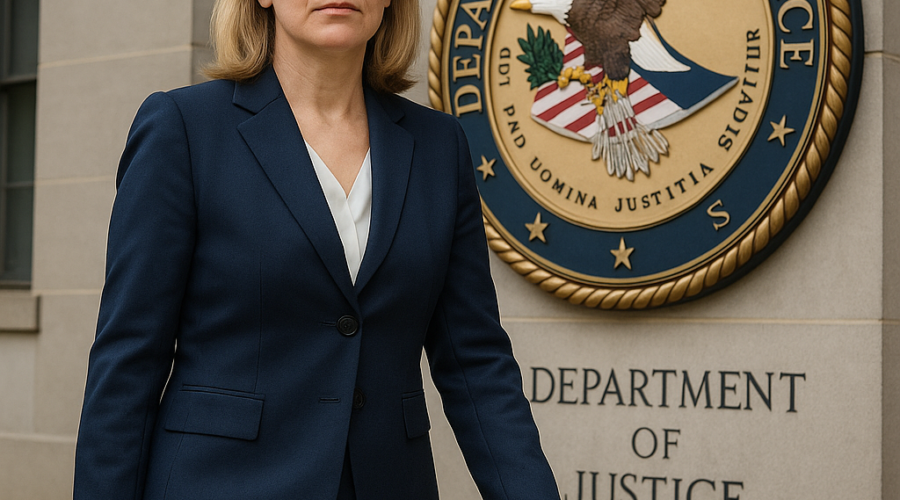
Gail Slater, the DOJ’s assistant attorney general for antitrust, departed on February 12, 2026, amid reported clashes with Trump administration officials, including Attorney General Pam Bondi, over aggressive merger enforcement. Her exit follows internal power struggles, notably a summer 2025 settlement in the Hewlett Packard Enterprise-Juniper Networks merger that allegedly bypassed her input. The departure precedes the high-stakes Live Nation-Ticketmaster antitrust trial scheduled for March 2026, with Live Nation’s stock rising on the news. Slater’s ouster signals a significant strategic pivot toward a more deal-friendly enforcement environment, likely reducing regulatory hurdles for private equity exits and tech sector consolidations.
- Executive
- Gail Slater
- Organization
- U.S. Department of Justice (DOJ)
- Title
- Assistant Attorney General for Antitrust
- Departure Date
- February 12, 2026
- Reported Reason for Departure
- Clashes with Trump administration officials, including Attorney General Pam Bondi, over aggressive merger scrutiny
- Key Internal Conflict
- Bypassed on the Hewlett Packard Enterprise-Juniper Networks merger settlement in summer 2025
- Major Pending Case
- Live Nation-Ticketmaster antitrust trial (set for March 2026)
- Market Reaction
- Live Nation shares rose post-announcement on speculation of a possible settlement
- Strategic Implication
- A pivot toward more deal-friendly enforcement, easing scrutiny on M&A and private equity exits
Gail Slater, the Justice Department’s assistant attorney general for antitrust, announced her departure on February 12, 2026, following reported tensions with Trump administration officials over aggressive merger scrutiny.[1][3]
Most “AI for Diligence” tools are lying to you. The truth is, they are just ChatGPT wrappers. Experience what real AI for Diligence looks like, built like Claude Code, but for M&A/ PE Diligence:
💼 When Claude Code Marries Due Diligence!
Slater’s exit, framed in her X post as leaving “with great sadness and abiding hope,” aligns with accounts of her being pushed out after clashes with Attorney General Pam Bondi and other pro-business leaders.[1][2] Reporting from The Guardian and CBS News indicates she faced an ultimatum to resign or be dismissed, capping a tenure defined by internal power struggles.[1]
Antitrust Enforcement Under Fire in Trump Era
Slater, once positioned as a leader of “MAGA antitrust” and “America First” merger skepticism, oversaw challenges to dominant players but encountered resistance from DOJ leadership favoring lighter touch regulation.[1][2] Key flashpoints included a summer 2025 settlement in the Hewlett Packard Enterprise-Juniper Networks merger, which reportedly bypassed her input, and the removal of two deputies for insubordination.[1]
Her departure precedes the high-stakes Live Nation-Ticketmaster antitrust trial set for March 2026, prompting critics like Matt Stoller of the American Economic Liberties Project to call for congressional probes into potential lobbying influence.[1] Live Nation shares rose post-announcement, with lobbyists voicing approval and speculation mounting over a possible settlement to avert trial.[1]
Implications for M&A Deals and Private Equity Strategies
For C-level executives and deal advisors tracking antitrust risks in M&A 2026, Slater’s ouster signals a pivot toward deal-friendly enforcement, easing scrutiny on **cross-border mergers** and **tech sector consolidations**. Private equity firms eyeing exits in monopolized sectors like live events may face reduced DOJ hurdles, mirroring historical patterns post-leadership shifts—such as the Biden-era slowdown in approvals reversing under prior administrations.
Stacy Mitchell of the Institute for Local Self-Reliance warned of setbacks for small businesses reliant on robust enforcement against Ticketmaster-like monopolies.[1] Stoller urged 2029 legislation to unwind major mergers and target enablers, highlighting **regulatory uncertainty in private equity exits** amid shifting DOJ priorities.[1]
| Period | Major Actions/Conflicts | M&A Impact |
|---|---|---|
| Slater Tenure (2025-2026) | HPE-Juniper settlement bypass; deputy removals; Live Nation prep[1] | Increased merger blocks, populist pushback |
| Post-Slater (2026+) | Expected settlement-friendly approach; Bondi influence[1][2] | Faster approvals, lower HSR risks for PE deals |
Even MAGA supporters expressed dismay, underscoring bipartisan frustration with the resignation’s timing.[2] As **DOJ antitrust leadership changes 2026** reshape deal pipelines, investment professionals should monitor successor appointments for signals on vertical merger guidelines and private equity roll-ups.
Broader Market Reactions and Historical Parallels
Wall Street’s optimism reflects expectations of streamlined reviews, potentially accelerating **private equity exit strategies in SaaS and infrastructure**. Comparable to post-2017 shifts under Trump 1.0, where approvals surged 20% per McKinsey deal flow analyses, this change could boost M&A volume amid 2026’s moderating valuations.
- Live Nation stock gains signal investor bets on trial avoidance.[1]
- Lobbyist celebrations point to entrenched influence in **Trump administration merger policy**.[1]
- Advocates push for structural remedies, echoing EU-style breakup mandates.
Sources
https://www.commondreams.org/tag/corruption, https://dailycaller.com/2026/02/13/gail-slater-departure-antitrust-doj-pam-bondi-america-first-maga/, https://www.politico.com/story, https://triblive.com/news/world/