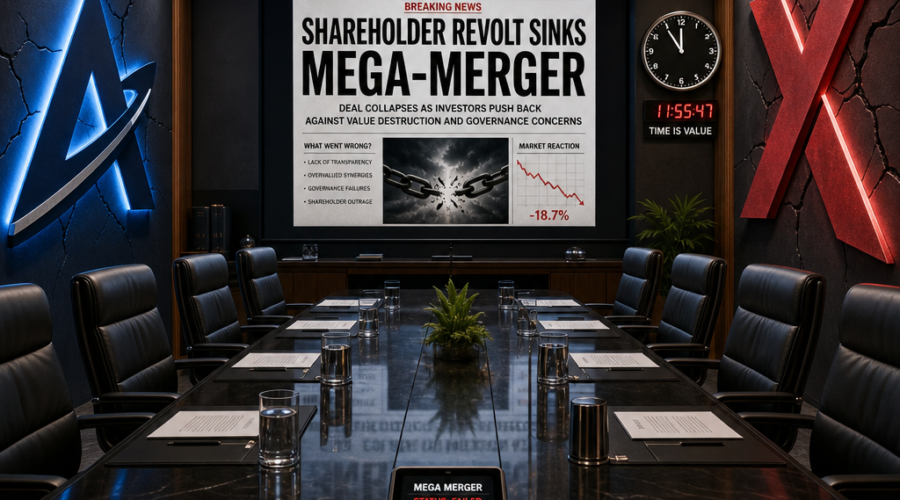
In a rare and dramatic reversal for large-cap industrial dealmaking, Solstice Advanced Materials Inc. and Element Solutions Inc. (NYSE: ESI) have scrapped their planned $14.5 billion merger. The termination, announced late August 27, 2026, comes less than two months after the deal was first unveiled, marking a significant victory for institutional investors who voiced immediate and sharp skepticism over the transaction’s valuation and financial structure.
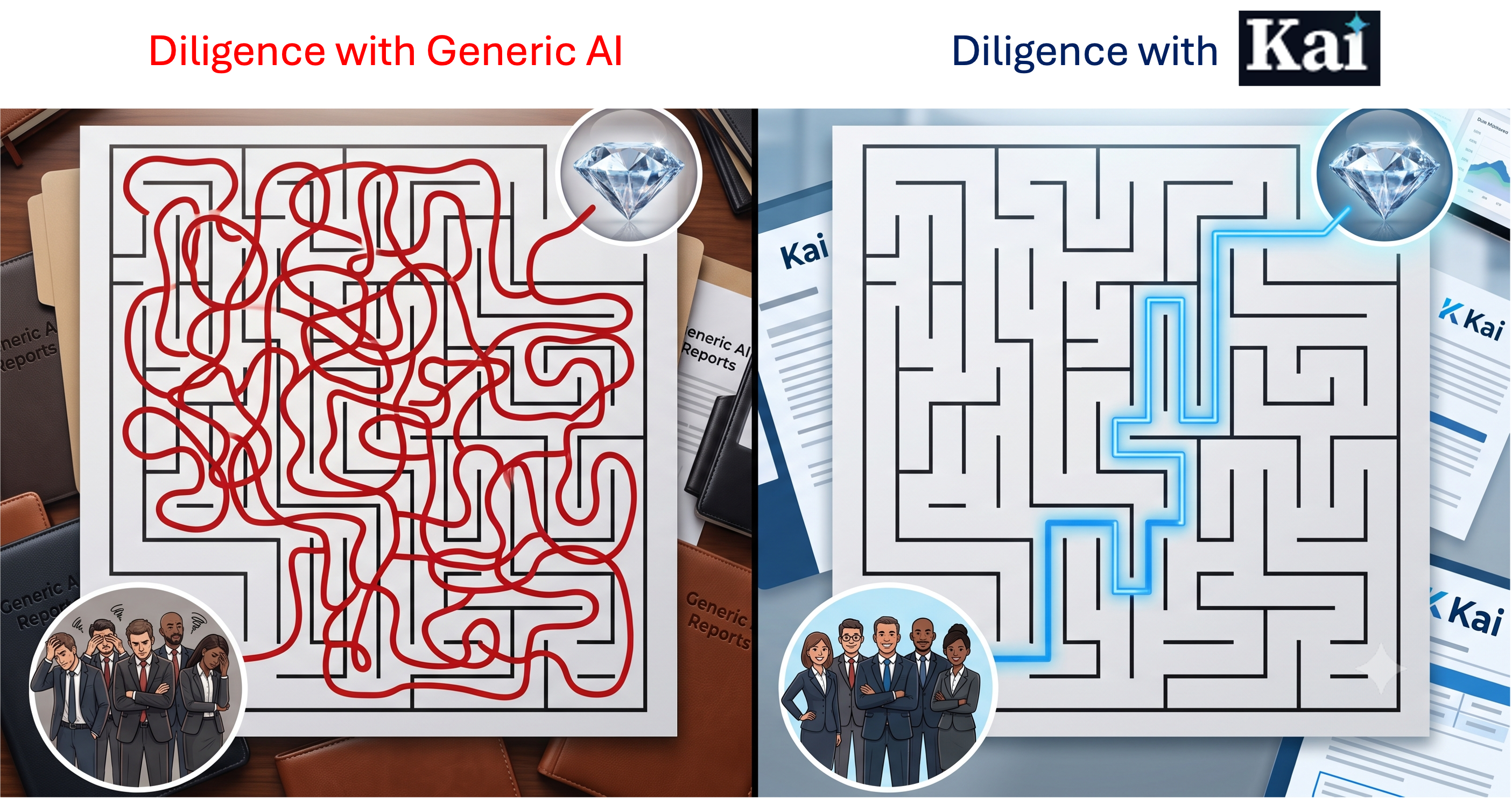
Most “AI for Diligence” tools are lying to you. The truth is, they are just ChatGPT wrappers. Experience Kai – a Fortune-100 proven AI harness for M&A/ PE Diligence
💼 Purpose-built harness for Due Diligence
A Strategic U-Turn Under Pressure
The deal, which would have united two titans of the specialty chemicals and advanced materials sectors, fell apart not due to regulatory intervention or financing failure, but because of what management termed “constructive feedback” from their respective shareholder bases. Following the July 6 announcement, shares of Solstice plunged nearly 35%, reflecting deep-seated concerns regarding equity dilution and the debt load required to fund the transaction.
“While we viewed the Element acquisition as an opportunity to accelerate our strategy, we respect our shareholders’ views,” said David Sewell, President and CEO of Solstice. The market’s response to the termination was immediate: Solstice shares rallied approximately 13% in the following session, effectively erasing the “deal overhang” that had plagued the stock through the summer.
Deal at a Glance: The $14.5B Non-Starter
| Metric | Original Terms (July 2026) |
|---|---|
| Total Enterprise Value | $14.5 Billion |
| Consideration | $10.00 cash + 0.5 shares of SOLS per ESI share |
| Implied Transaction Multiple | 23.8x Adjusted EBITDA |
| Projected Pro-forma Sales | $6.8 Billion |
| Breakup Fee | $0 (Mutual Termination) |
Investor Concerns: Leverage and Dilution
Institutional skepticism focused on two primary levers of the deal. First, the 23.8x EBITDA multiple paid for Element Solutions was viewed as excessive compared to historical specialty chemical benchmarks. Second, the financing plan—which included a $4.7 billion bridge loan from Goldman Sachs—would have pushed Solstice’s net leverage toward 3.5x, a level investors deemed risky in a volatile 2026 macroeconomic environment.
Private equity exit strategies in specialty chemicals and strategic M&A are increasingly facing this level of scrutiny. As Bain & Company and Goldman Sachs analysts have noted in recent outlooks, the “size premium” in 2026 has ballooned, making large-scale consolidations harder to justify to a market that currently prioritizes capital discipline and organic growth over aggressive inorganic expansion.
Standalone Paths: Buybacks and AI Infrastructure
With the merger dismantled, both companies are pivoting to “Plan B” to restore shareholder confidence. Solstice immediately announced a new $500 million share repurchase program and reaffirmed its full-year 2026 sales guidance of $4.125 billion to $4.185 billion. The company intends to focus on its core strengths in liquid cooling for AI data centers and semiconductor manufacturing materials—sectors that remain high-growth but will now be pursued through organic investment.
Element Solutions, led by CEO Benjamin Gliklich, also emphasized its standalone strength. “Our growth trajectory remains compelling, and the momentum in our business continues unabated,” Gliklich stated. For Element, the focus returns to its dominant position in electronic chemicals used in advanced packaging and mobile infrastructure.
Broader Market Implications for 2026 M&A
The collapse of the Solstice-Element deal serves as a bellwether for cross-border M&A trends in 2026. It highlights a resurgence in shareholder activism, where investors are no longer waiting for a formal proxy battle to influence board decisions. In an era of high interest rates and rigorous valuation modeling, the threshold for “strategic fit” has never been higher.
- Valuation Sensitivity: Investors are aggressively discounting deals where the premium exceeds 20x EBITDA without clear, immediate synergies.
- The “No-Fee” Split: The absence of a breakup fee suggests both boards recognized early that the transaction would not clear the shareholder vote, choosing a quiet retreat over a public defeat.
- Capital Allocation Shift: Market preference is shifting from “mega-mergers” to “bolt-on acquisitions” and aggressive share buybacks.
As the chemicals and materials sectors continue to navigate the shift toward digital infrastructure and green chemistry, the Solstice-Element saga will likely be cited by Kirkland & Ellis and other top-tier deal advisors as a cautionary tale: in 2026, the industrial logic must be matched by a flawless financial narrative to survive the gantlet of public market scrutiny.