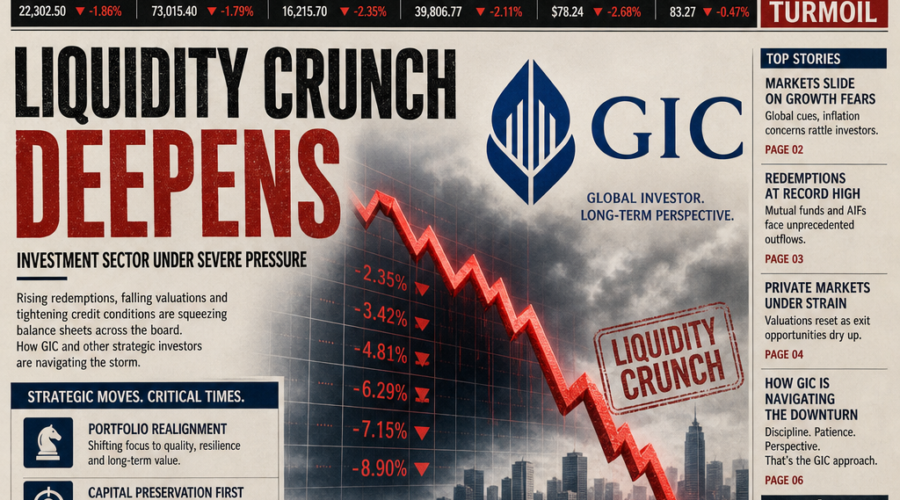
Singapore’s sovereign wealth fund, GIC, is exploring a sale of private equity fund interests with a combined net asset value of approximately $1 billion. This move, reported as of August 5, 2026, signals a strategic pivot by one of the world’s most sophisticated institutional investors to navigate a “structurally changed” private equity landscape. By tapping the increasingly buoyant secondaries market, GIC aims to recycle capital and rebalance its portfolio in response to extended holding periods and a persistent drought in traditional exit distributions.
Most “AI for Diligence” tools are lying to you. The truth is, they are just ChatGPT wrappers. Experience Kai – a Fortune-100 proven AI harness for M&A/ PE Diligence
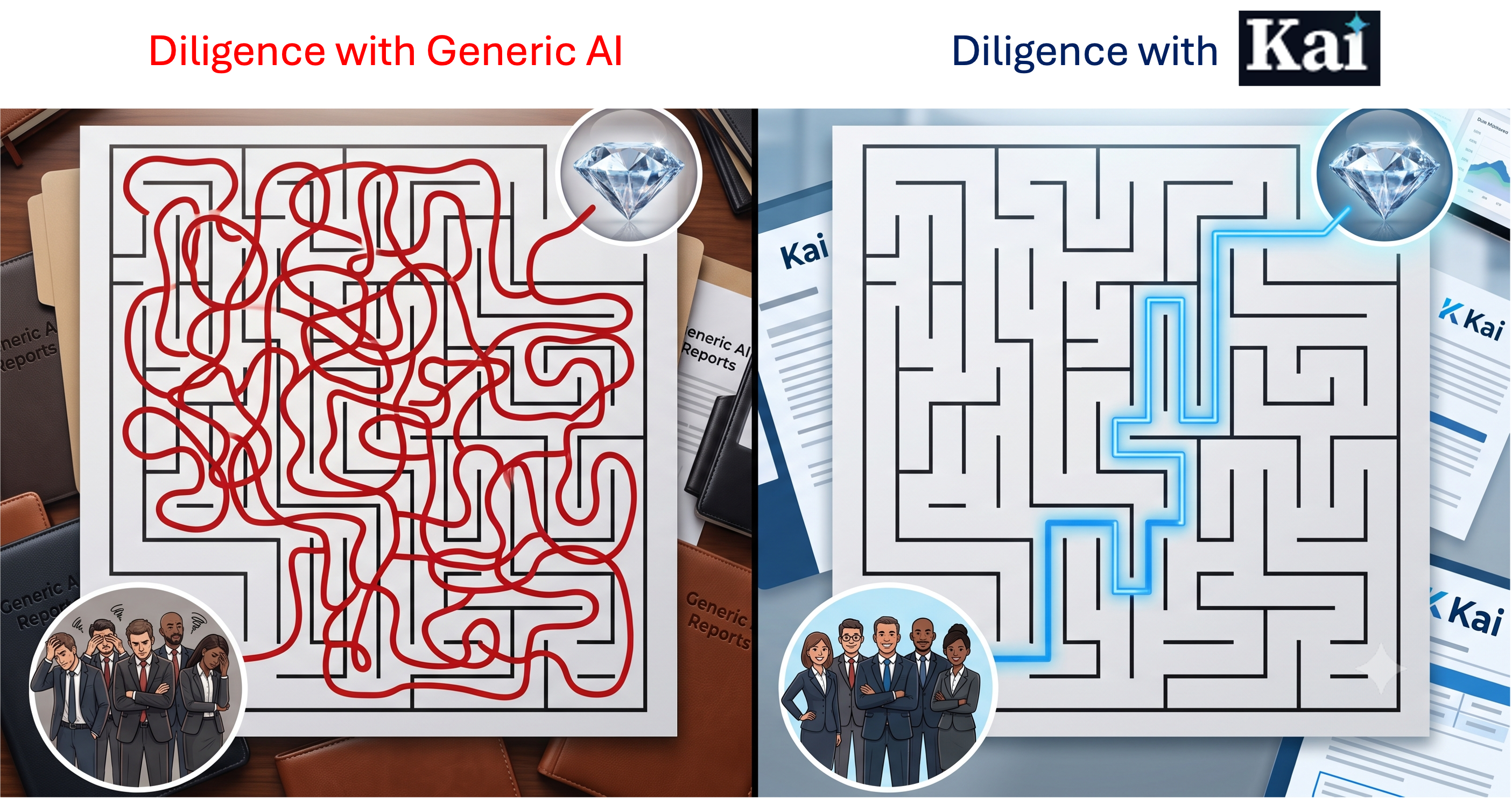
💼 Purpose-built harness for Due Diligence
Strategic Divestment in a “Risk Manager’s Market”
The potential transaction, advised by PJT Partners, reportedly includes stakes in funds managed by blue-chip private equity firms such as EQT, TPG Asia, and KKR. While the process remains in its early stages, the move reflects a broader mandate recently articulated by GIC Chief Executive Lim Chow Kiat. In July 2026, Lim emphasized a more cautious stance on private markets, noting that the sovereign wealth fund is focused on “recycling” capital rather than passive accumulation.
This “recycle and redeploy” strategy is increasingly common among large-scale limited partners (LPs). As the “12 is the new 5” mantra—coined by Bain & Company to describe the heightened EBITDA growth required to sustain returns in a high-rate environment—takes hold, GIC is actively managing its exposures. The fund recently reported its lowest five-year annualized return in over a decade (3.6%), a data point that has sharpened the focus on liquidity and capital efficiency.
The Secondaries Surge: Data and Market Dynamics
GIC’s decision to sell comes at a time when private equity secondaries have evolved from a niche “distressed” strategy into a core portfolio management tool. According to recent data from Evercore and Jefferies, the secondaries market has reached unprecedented heights in 2026:
- Record H1 Volume: Global transaction volumes hit $121 billion in the first half of 2026, a 19% increase year-over-year.
- Full-Year Projections: Analysts from William Blair and Preqin forecast total 2026 volume could reach $250 billion, potentially doubling 2022 levels.
- Tightened Spreads: Buyout portfolios are currently trading at approximately 91% of Net Asset Value (NAV), driven by a massive influx of dedicated secondary capital.
H1 2026 Secondary Market Performance by Asset Class
| Asset Class | Average Pricing (% of NAV) | Growth Driver |
|---|---|---|
| Buyout | 91% | High-quality 2018-2021 vintages |
| Private Credit | 89% | Rapid expansion of GP-led credit vehicles |
| Infrastructure | 91% | Inflation-resilient cash flows |
| Venture Capital | 79% | Valuation resets and AI-driven bifurcation |
Managing the “Liquidity Gap”
The primary driver behind GIC’s divestment is the “distribution drought.” McKinsey & Company recently noted that the average holding period for a private equity asset has climbed to over 6.5 years, the highest on record. With IPO and M&A exit pipelines remaining sluggish, institutional investors are utilizing LP-led secondaries to generate the cash flow necessary to fund new capital calls.
For GIC, which manages an estimated $1.16 trillion, the $1 billion sale is part of a larger pattern of active liquidity management. In June 2026, the fund completed a separate transaction involving up to $2 billion of private credit assets. These moves are not signs of a retreat but rather a tactical shift toward cross-border M&A trends and emerging sectors such as AI infrastructure, which GIC has identified as a key growth pillar in its refreshed investment framework.
Outlook for Deal Advisors and GPs
The scale of GIC’s offering is expected to draw significant interest from major secondary buyers like Blackstone (Strategic Partners), Lexington Partners, and Goldman Sachs Asset Management. For general partners (GPs), such moves by anchor LPs highlight the necessity of providing liquidity solutions through continuation vehicles to prevent “zombie” fund positions from clogging institutional balance sheets.
As GIC continues to refine its private equity exit strategies in 2026, the broader market will be watching closely. The success of this $1 billion sale will serve as a bellwether for secondary pricing and institutional appetite for mature buyout exposures in a volatile macroeconomic climate. For C-level executives and fund managers, the message is clear: liquidity is no longer a passive outcome—it is a strategic objective that requires constant cultivation in the secondary market.