
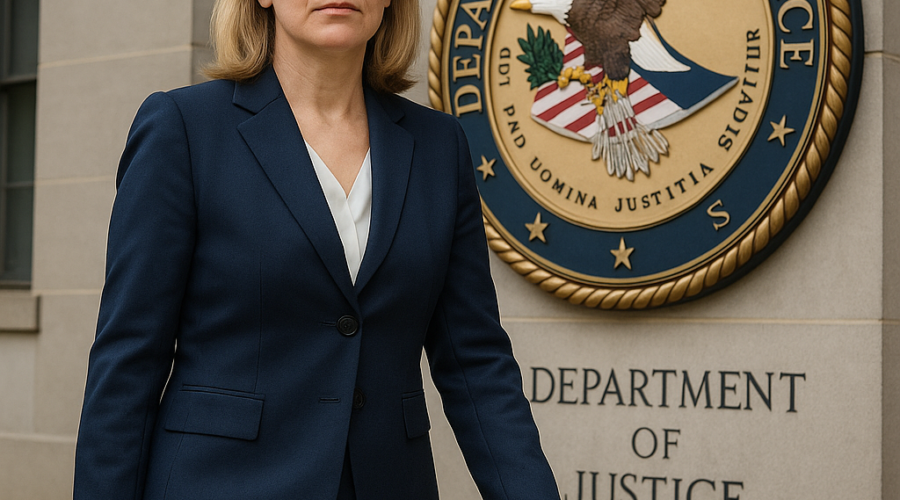
Gail Slater, the Justice Department’s assistant attorney general for antitrust, announced her departure on February 12, 2026, following reported tensions with Trump administration officials over aggressive merger scrutiny.[1][3]
Set and exceed synergy goals with benchmarks and actionable operational initiative level data from similar deals from your sector:
💼 Actionable Synergies Data from 1,000+ Deals!
Slater’s exit, framed in her X post as leaving “with great sadness and abiding hope,” aligns with accounts of her being pushed out after clashes with Attorney General Pam Bondi and other pro-business leaders.[1][2] Reporting from The Guardian and CBS News indicates she faced an ultimatum to resign or be dismissed, capping a tenure defined by internal power struggles.[1]
Antitrust Enforcement Under Fire in Trump Era
Slater, once positioned as a leader of “MAGA antitrust” and “America First” merger skepticism, oversaw challenges to dominant players but encountered resistance from DOJ leadership favoring lighter touch regulation.[1][2] Key flashpoints included a summer 2025 settlement in the Hewlett Packard Enterprise-Juniper Networks merger, which reportedly bypassed her input, and the removal of two deputies for insubordination.[1]
Her departure precedes the high-stakes Live Nation-Ticketmaster antitrust trial set for March 2026, prompting critics like Matt Stoller of the American Economic Liberties Project to call for congressional probes into potential lobbying influence.[1] Live Nation shares rose post-announcement, with lobbyists voicing approval and speculation mounting over a possible settlement to avert trial.[1]
Implications for M&A Deals and Private Equity Strategies
For C-level executives and deal advisors tracking antitrust risks in M&A 2026, Slater’s ouster signals a pivot toward deal-friendly enforcement, easing scrutiny on **cross-border mergers** and **tech sector consolidations**. Private equity firms eyeing exits in monopolized sectors like live events may face reduced DOJ hurdles, mirroring historical patterns post-leadership shifts—such as the Biden-era slowdown in approvals reversing under prior administrations.
Stacy Mitchell of the Institute for Local Self-Reliance warned of setbacks for small businesses reliant on robust enforcement against Ticketmaster-like monopolies.[1] Stoller urged 2029 legislation to unwind major mergers and target enablers, highlighting **regulatory uncertainty in private equity exits** amid shifting DOJ priorities.[1]
| Period | Major Actions/Conflicts | M&A Impact |
|---|---|---|
| Slater Tenure (2025-2026) | HPE-Juniper settlement bypass; deputy removals; Live Nation prep[1] | Increased merger blocks, populist pushback |
| Post-Slater (2026+) | Expected settlement-friendly approach; Bondi influence[1][2] | Faster approvals, lower HSR risks for PE deals |
Even MAGA supporters expressed dismay, underscoring bipartisan frustration with the resignation’s timing.[2] As **DOJ antitrust leadership changes 2026** reshape deal pipelines, investment professionals should monitor successor appointments for signals on vertical merger guidelines and private equity roll-ups.
Broader Market Reactions and Historical Parallels
Wall Street’s optimism reflects expectations of streamlined reviews, potentially accelerating **private equity exit strategies in SaaS and infrastructure**. Comparable to post-2017 shifts under Trump 1.0, where approvals surged 20% per McKinsey deal flow analyses, this change could boost M&A volume amid 2026’s moderating valuations.
- Live Nation stock gains signal investor bets on trial avoidance.[1]
- Lobbyist celebrations point to entrenched influence in **Trump administration merger policy**.[1]
- Advocates push for structural remedies, echoing EU-style breakup mandates.
Sources
https://www.commondreams.org/tag/corruption, https://dailycaller.com/2026/02/13/gail-slater-departure-antitrust-doj-pam-bondi-america-first-maga/, https://www.politico.com/story, https://triblive.com/news/world/