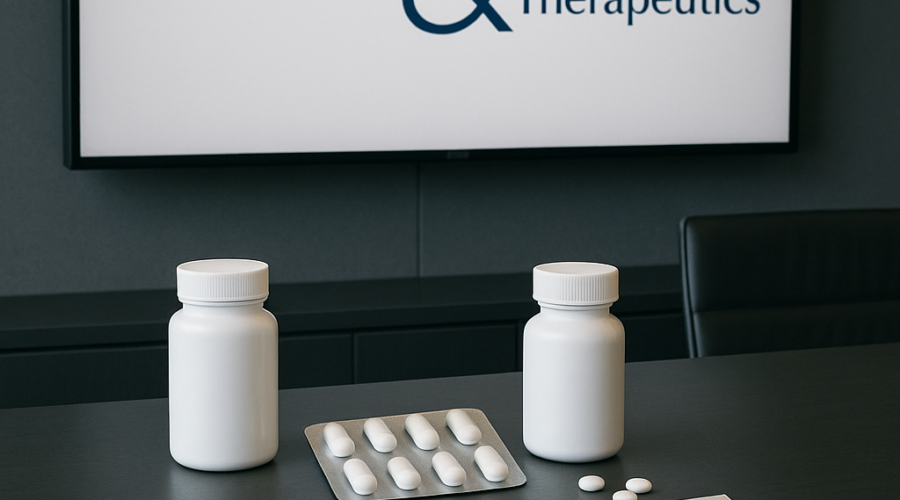
BioMarin Pharmaceutical has agreed to acquire Amicus Therapeutics in an all‑cash deal valued at approximately $4.8 billion
Set and exceed synergy goals with benchmarks and actionable operational initiative level data from similar deals from your sector! 💼 Actionable Synergies Data from 1,000+ Deals! BioMarin gains immediate commercial assets and near‑term revenue from Amicus’s marketed therapies and pipeline candidates, strengthening its rare‑disease franchise and offering near‑term cash‑flow accretion while expanding therapeutic breadth[2].Deal summary and financial terms
Strategic rationale — pipeline and marketed products
- Marketed products added: Galafold (migalastat) for Fabry disease, and Pombiliti plus Opfolda for Pompe disease — combined revenues of roughly $599 million over the past four quarters according to company disclosures[2].
- Pipeline highlights: U.S. rights to DMX‑200, an investigational small molecule for focal segmental glomerulosclerosis (FSGS), and other rare‑disease candidates that complement BioMarin’s existing modalities and therapeutic focus[1][2].
- IP backdrop: Amicus resolved U.S. patent litigation around Galafold, with U.S. exclusivity now expected through January 2037 — a material de‑risking of an important revenue stream[2].
Financial impact and valuation context
BioMarin, which reported trailing‑12‑month revenue of about $3.09 billion and a strong gross margin profile, expects the transaction to be accretive on a non‑GAAP EPS basis within 12 months and “substantially accretive” in 2027 as synergies and product growth are realized[2].
- The $14.50 per‑share offer represents a ~33% premium to Amicus’s last close and ~46% to its 30‑day VWAP, reflecting a competitive bid consistent with strategic M&A premiums in biotech consolidations[2].
- Targeted leverage and use of non‑convertible debt indicate BioMarin’s intent to preserve equity while managing the capital structure toward a sub‑2.5x gross leverage target within two years[2].
Operational and integration considerations
Key execution risks and integration levers for management and deal advisors will include:
- Commercial integration: Aligning sales forces for Galafold and Pompe therapies to avoid channel disruption and capture cross‑sell opportunities into specialist referral networks.
- Manufacturing & supply chain: Ensuring uninterrupted supply for enzyme replacement and small‑molecule products while rationalizing manufacturing footprint where practical.
- R&D prioritization: Integrating Amicus’s small‑molecule programs like DMX‑200 into BioMarin’s portfolio management process to optimize development spend and regulatory strategy.
- Regulatory & IP diligence: Enforcing U.S. patent protections while preparing for lifecycle management and potential global patent disputes despite the January 2037 exclusivity window for Galafold[2].
- Cost synergies vs. talent retention: Opportunity to reduce overlapping corporate functions, balanced against retaining specialized biologics and rare‑disease expertise critical to commercialization and development execution.
Market and competitive implications
The acquisition signals continued consolidation in rare‑disease biopharma as larger specialty players seek to buy commercially proven orphan drugs to offset R&D risk and achieve durable cash flows, a trend private equity and strategic buyers have pursued across 2024–2025 in response to repricing of biotech risk[2].
- For competitors: Increased pressure on mid‑sized rare‑disease companies to demonstrate differentiated pipelines or become targets for similarly sized strategic bidders or PE‑backed roll‑ups.
- For investors: The deal underscores the premium paid for near‑term, patented orphan therapies with predictable patient populations and high pricing power, versus earlier‑stage riskier assets.
Comparable precedent and M&A context
This transaction aligns with a broader pattern where companies pay mid‑single to double‑digit multiples for orphan drugs that have demonstrated commercial traction and extended exclusivity, mirroring prior deals in which strategic acquirers prioritized revenue‑generating rare‑disease assets to accelerate accretion and margin expansion[2].
Deal risks and open questions for executives and advisers
- Will BioMarin meet its leverage target without constraining R&D investment? The ~ $3.7 billion debt component concentrates balance‑sheet and refinancing risk if product performance lags[2].
- How quickly can BioMarin realize synergies and avoid customer attrition during the integration? Speed to effective commercial alignment will determine the near‑term accretion profile[2].
- How robust is global exclusivity beyond the U.S. for Galafold and the Pompe portfolio? Geographic IP and pricing dynamics will shape long‑term NPV of the acquired assets[2].
Executive takeaways for boards and PE advisors
- Deal logic is clear: Acquire marketed orphan drugs with durable exclusivity to accelerate revenue and reduce portfolio volatility[2].
- Integration matters most: Value realization depends on rapid commercial harmonization, supply‑chain continuity, and disciplined pipeline prioritization to avoid margin dilution[2].
- Capital planning is critical: Debt financing increases near‑term financial leverage; scenario planning for sales downside and regulatory delays is essential[2].
- Regulatory/IP diligence: Confirm global patent protections and develop lifecycle management to maximize long‑term returns from Galafold and Pompe therapies[2].
SEO keywords embedded naturally
This article contains targeted, long‑tail keywords relevant to dealmakers and investors: rare disease M&A 2026, private equity interest in orphan drugs, BioMarin Amicus acquisition analysis, private equity exit strategies in biotech, and cross‑border M&A trends 2025.
Sources
Reporting and company disclosures synthesized from public filings and press coverage: BioMarin and Amicus transaction announcement and financial details as reported in market coverage[2][1].
Sources
https://www.nasdaq.com/articles/biomarin-acquire-amicus-therapeutics-around-48-bln, https://www.investing.com/news/company-news/biomarin-to-acquire-amicus-therapeutics-for-48-billion-93CH-4417185